
Yes
Discover similar artists → Vinyl of Yes on Amazon ↗
Affiliate link — we earn a small commission at no cost to you.
English progressive rock group Yes formed in London in 1968 and has remained active across decades, building a body of work rooted in progressive rock, classic rock, and rock. Their sound is defined by the ambitious, structurally complex approach associated with progressive rock, layered with the accessibility of classic rock and the broader conventions of rock music. The band emerged from the late-1960s British scene and became widely regarded as pioneers of progressive rock, incorporating elements of rock, pop, jazz, and classical music into their recordings. Over the years the lineup has included more than twenty full-time members, with figures such as vocalist Jon Anderson, bassist Chris Squire, guitarists Steve Howe and Trevor Rabin, drummers Bill Bruford and Alan White, and keyboardists Tony Kaye and Rick Wakeman passing through its ranks. For listeners seeking artists similar to Yes, the surrounding progressive rock landscape offers several natural parallels. Emerson, Lake & Palmer and King Crimson share the same progressive rock genre and the same late-1960s British era, while Genesis belongs to the same national scene and stylistic tradition. Jon Anderson, the band's longtime vocalist, and Chris Squire, its longtime bassist, appear as adjacent entries through their solo and collaborative work, and Anderson Bruford Wakeman Howe draws together several figures associated with the group. Tracks such as "Owner of a Lonely Heart" and "Roundabout" are among their most-played. Yes occupy a central place in the history of British progressive rock, a movement they helped establish from the late 1960s onward and sustained through shifting lineups and changing musical fashions. Their longevity and the breadth of their membership reflect a career that has spanned the genre's rise and its later evolutions, with rock, pop, jazz, and classical elements folded into their arrangements. That pioneering reputation places them alongside the era's most prominent progressive acts. Listeners drawn to their sound can move outward into classic rock and the wider rock tradition, or deeper into progressive rock and its British lineage.
Of Yes's top songs, "Owner of a Lonely Heart" has the most listeners on Last.fm (1,063,006), ahead of "Roundabout" and "Changes". On average, each listener has played Yes about 25 times. The closest match is Jon Anderson (100% match); 15 of the 60 similar bands score above 50%.
For listeners searching for music similar to Yes, the closest connections often lie within the same progressive rock and classic rock family. Emerson, Lake & Palmer shares both genre tags and a British origin with Yes, and both acts emerged from the same early-1970s progressive scene. King Crimson belongs to the same progressive rock tradition while leaning toward experimental territory. Jon Anderson and Chris Squire connect through shared membership in Yes itself rather than through parallel careers. Taken together, these artists sit within the British progressive and classic rock umbrella of the late 1960s and 1970s, the context that best frames bands like Yes for fans of Yes.
Top songs by Yes
Bands like Yes
If you like Yes, these bands share a similar sound, genre, or scene — ranked by how closely they match.


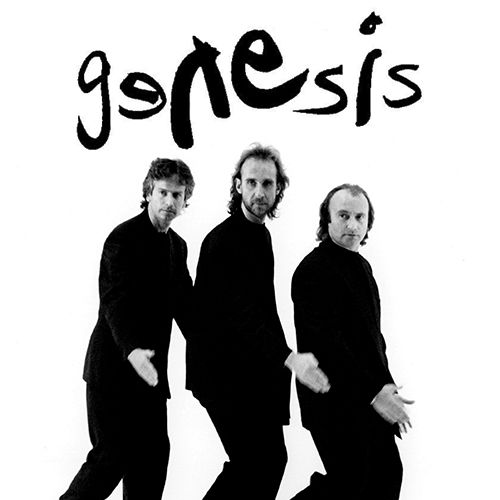


People also ask about Yes
Which artists are similar to Yes?
Listeners who like Yes often explore Jon Anderson, Anderson Bruford Wakeman Howe, Emerson, Lake & Palmer, and King Crimson. These comparisons are based on shared genre, scene, and era.
What genre is Yes?
Yes is most often tagged as Progressive rock, classic rock, rock.
What is a good song to start with by Yes?
A common entry point for new listeners is "Owner of a Lonely Heart". Other frequently played tracks include "Roundabout" and "Changes".
How popular are Yes?
Yes have about 2,070,808 listeners tracked on Last.fm and roughly 50,762,422 recorded plays.