Trance
Top artists, related genres, and listener stats.
Affiliate link — we earn a small commission at no cost to you.
Trance is a form of electronic music built around a tempo that typically falls between 135 and 150 bpm. Its defining traits are repeating melodic phrases and a structure that deliberately builds tension, layering elements across a track until it reaches one or two peaks or drops. The style grew out of the British new-age music scene alongside the early 1990s German techno and hardcore scenes, and while it stands as a genre in its own right, it freely absorbs influences from other styles, techno among them. The overall mood is euphoric and propulsive, with synths and melody carrying as much weight as rhythm. Several artists in trance have become emblematic of its melodic, tension-building approach. Tiësto and Armin van Buuren are among the genre's most recognized figures, both associated with the sweeping, peak-driven arrangements that define the sound. Above & Beyond likewise represent the emotive, melodic side of trance, while ATB and Robert Miles illustrate how the style's repeating phrases and atmospheric textures translate into widely known tracks. For listeners seeking bands like these, the shared thread is the careful construction of tension toward a climactic drop. Trance connects closely to techno, from which it borrowed structural and rhythmic ideas even as it developed its own melodic identity, and to the broader new-age music scene that shaped its origins. The German techno and hardcore scenes of the early 1990s provided part of the foundation, while British new-age influences contributed to its atmospheric character. Positioned at the intersection of those worlds, trance became a distinct strand of electronic dance music, carrying the repetition and momentum of club-oriented styles into a more melodic and emotionally charged form.
About Trance
Trance is a form of electronic music that grew out of the British new-age scene alongside German techno and hardcore in the early 1990s. Its tempo typically falls between 135 and 150 bpm, and tracks are built around repeating melodic phrases. The structure is defined by a gradual accumulation of tension and layered elements, usually resolving in one or two peaks or drops. While it stands as a genre in its own right, trance borrows freely from other styles, techno among them. Tiësto and Armin van Buuren are among its most prominent figures, with Alice Deejay and ATB also representing the sound. The genre connects to adjacent scenes such as techno and hardcore.
Top Trance artists
The most-listened-to artists tagged trance, ranked by listeners.
-
 Tiësto
-
 Armin van Buuren
-
 Niki
-
 Alice Deejay
-
 ATB
-
 Robert Miles
-
 Above & Beyond
-
 Darude
-
 Alex C
-
 Maki
-
 Rocco
-
 W&W
-
 Vernon
-
 DJ Heartstring
-
 Cascada
-
 Paul van Dyk
-
 Chicane
-
 Ferry Corsten
-
 Paul Oakenfold
-
 Ummet Ozcan
-
 Gareth Emery
-
 Audien
-
 F-777
-
 Edward Maya
-
 DJ Gollum
-
 Reflekt
-
 Doss
-
 Gigi D'Agostino
-
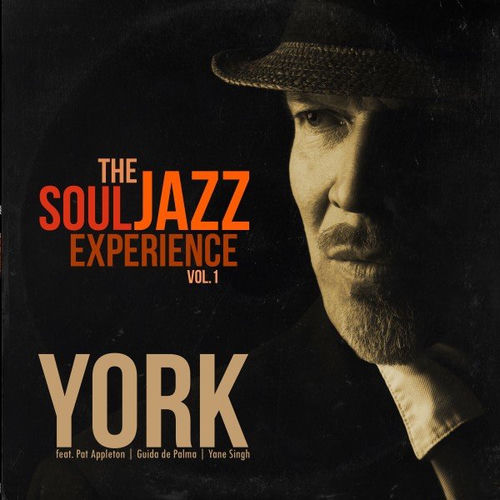 York
-
 Gaia
- Cosmic Gate
- MK
- BT
- Ayla
- Virtual Self
- Sash!
People also ask about Trance
Who are the best trance artists?
Among the most listened-to trance artists are Tiësto, Armin van Buuren, Niki, and Alice Deejay.
What is Trance?
Trance is a type of electronic music that emerged from the British new-age music scene and the early 1990s German techno and hardcore scenes. Trance music is characterized by a tempo lying between 135–150 bpm (BPM), repeating melodic phrases and a musical for
What bands should I start with in Trance?
Good entry points into trance are Tiësto, Armin van Buuren, Niki — widely listened-to and representative of the genre's range.
How popular is Trance?
Trance reaches roughly 65,583 listeners in the Last.fm network, making it a niche genre.
Where can I find more trance artists?
Beyond the top artists listed here, related scenes share listeners and sonic traits with Trance and are worth exploring for deeper cuts.