Swing
Top artists, related genres, and listener stats.
Affiliate link — we earn a small commission at no cost to you.
Swing, also called swing jazz, is a form of jazz that took shape in the United States in the early 1930s and had solidified as a distinctive style by 1935. Its sound rests on a strong anchoring rhythm section supporting a lead section built from brass instruments such as trumpets and trombones, woodwinds including saxophones and clarinets, and sometimes strings such as violin and guitar. Tempos run medium to fast, and the defining feel is a lilting swing time rhythm that gives the music its forward momentum. Frank Sinatra, Dean Martin, Nat King Cole and Duke Ellington stand among the most representative artists in swing. Sinatra and Martin embody the style's polished vocal side, carrying the lilting swing time rhythm into popular song, while Cole bridges the same territory as both a singer and a jazz-rooted bandleader. Ellington represents the instrumental and big-band foundation of the music, where brass, woodwinds and a driving rhythm section carry the medium to fast tempos. For listeners drawn to bands like these, the shared thread is the anchoring rhythm section and the swing feel that shapes every arrangement. Swing sits close to jazz and traditional pop, sharing a scene and era with the former and an offshoot relationship with the latter, as vocalists carried the lilting rhythm into mainstream popular song. The style's early-1930s emergence and its solidification by 1935 place it within the broader development of American jazz, where it became a distinctive and widely recognized form.
About Swing
Swing, also called swing jazz, is a jazz style that took shape in the United States in the early 1930s and had become a clearly defined form by 1935. Its sound rests on a firmly grounded rhythm section that underpins a lead group, which may feature brass such as trumpets and trombones, woodwinds such as saxophones and clarinets, or strings and guitar. Tempos generally range from medium to fast, and the music is carried by a lilting swing-time rhythm that gives the style its characteristic momentum. Vocalists have long been central to the genre's appeal, with Frank Sinatra and Nat King Cole among its widely recognized performers, while Michael Bublé represents a later interpreter of the tradition. Paul Anka and Dean Martin also appear among the artists most associated with the style. Swing sits alongside related jazz currents, including big band and traditional pop.
Top Swing artists
The most-listened-to artists tagged swing, ranked by listeners.
-
 Frank Sinatra
-
 Paul Anka
-
 Dean Martin
-
 Michael Bublé
-
 Nat King Cole
-
 Bobby Darin
-
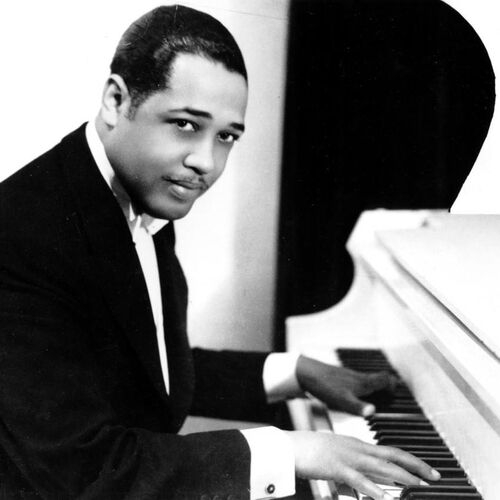 Duke Ellington
-
 Matt Dusk
-
 The Ink Spots
-
 Bing Crosby
-
 Louis Prima
-
 Glenn Miller
-
 Tony Bennett
-
 Peggy Lee
-
 Tommy Dorsey
-
 The Correspondents
-
 Louis Armstrong
-
 Benny Goodman
-
 Squirrel Nut Zippers
-
 Harry James
-
 Ella Fitzgerald
-
 The Andrews Sisters
-
 The Nat King Cole Trio
-
 Big Bad Voodoo Daddy
-
 Mel Tormé
-
 Sammy Davis, Jr.
-
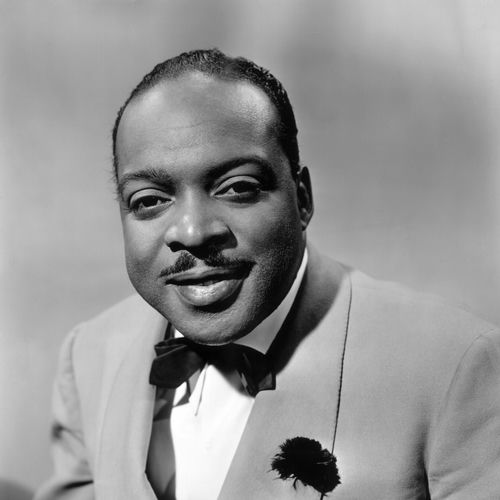 Count Basie
-
 Fred Astaire
-
 Seth MacFarlane
-
 Artie Shaw
- Harry Belafonte
- Cab Calloway
- Wayne Newton
- Django Reinhardt
- Kay Kyser & His Orchestra
- Atomic Fireballs
People also ask about Swing
Who are the best swing artists?
Among the most listened-to swing artists are Frank Sinatra, Paul Anka, Dean Martin, and Michael Bublé.
What is Swing?
Swing music, also known as swing jazz, is a form of jazz music that developed in the early 1930s and had solidified as a distinctive style by 1935 in the United States. Swing uses a strong anchoring rhythm section which supports a lead section that can include
What bands should I start with in Swing?
Good entry points into swing are Frank Sinatra, Paul Anka, Dean Martin — widely listened-to and representative of the genre's range.
How popular is Swing?
Swing reaches roughly 24,913 listeners in the Last.fm network, making it a niche genre.
Where can I find more swing artists?
Beyond the top artists listed here, related scenes share listeners and sonic traits with Swing and are worth exploring for deeper cuts.