Punk
Top artists, related genres, and listener stats.
Affiliate link — we earn a small commission at no cost to you.
Punk is a raw, fast, and noisy form of rock music that emerged from garage rock as a deliberate rejection of the technical excess and virtuosic complexity associated with progressive rock. Its songs tend to be short, built on low-cost instrumentation and played with more speed and abrasion than polish. The style's countercultural outlook has long carried an anti-establishment edge, with lyrics often voicing anarchist, atheist, individualist, and internationalist ideas. A do-it-yourself ethic runs through the scene: self-produced albums, fanzines, and squats have all served as its infrastructure, keeping the music accessible to anyone willing to pick up an instrument. Among the top artists in punk, the Ramones exemplify the genre's stripped-down speed and brevity, while The Clash channel its anti-establishment lyrics and internationalist streak. The Dead Kennedys carry the caustic, confrontational side of the music, and Green Day show how its raw, hook-driven songs translate to a broader audience. For listeners seeking bands like these, the shared thread is the same: short, noisy, low-cost recordings made on the scene's own terms rather than according to industry or virtuosic standards. Punk connects to grunge and alternative rock, both of which inherited its distorted, unpolished sound and its DIY approach to making and releasing music. Grunge carried that abrasion into the early 1990s, while alternative rock absorbed punk's independent ethos and anti-establishment posture across the following decades. Within the broader history of rock, punk stands as a corrective to technical excess, a movement that prioritized energy, accessibility, and self-reliance over virtuosity and returned rock music to its garage roots.
About Punk
Punk emerged from garage rock as a stripped-down reaction against the technical excess and virtuosity associated with progressive rock. Its sound is faster, noisier, and rawer than the music it opposed, built on brief songs, inexpensive instrumentation, and frequently anti-establishment lyrics. The genre's counterculture operates on a do-it-yourself ethic, encompassing self-released records, fanzines, and squats, and its ideology has historically been linked to anarchism, atheism, individualism, and internationalism. Representative acts include the Ramones, the Clash, and Green Day, whose differing approaches illustrate the genre's range across decades and audiences. Punk sits alongside adjacent scenes such as garage rock and hardcore.
Top Punk artists
The most-listened-to artists tagged punk, ranked by listeners.
-
 The Clash
-
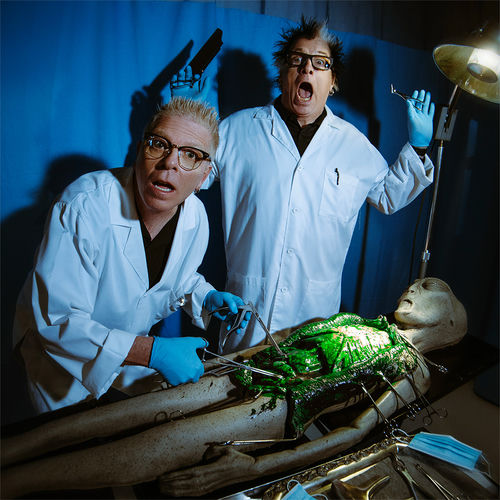 The Offspring
-
 Ramones
-
 Misfits
-
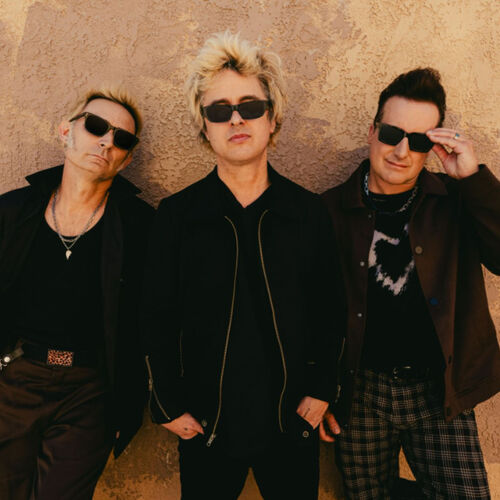 Green Day
-
 Dead Kennedys
-
 Fugazi
-
 Descendents
-
 AFI
-
 Iggy Pop
-
 blink-182
-
 Bad Religion
-
 Joyce Manor
-
 Sex Pistols
-
 The Damned
-
 Mindless Self Indulgence
-
 Destroy Boys
-
 The Taxpayers
-
 Billy Idol
-
 Rancid
-
 The Replacements
-
 NOFX
-
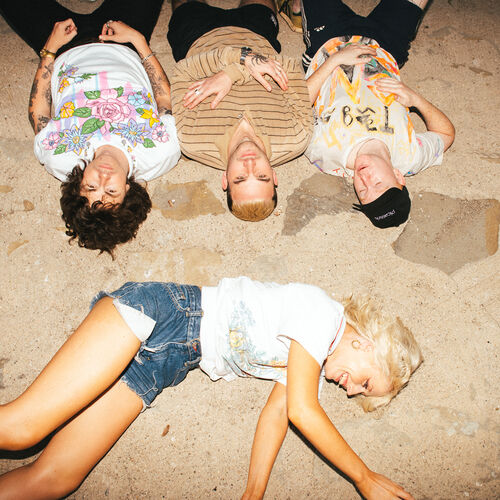 Amyl and the Sniffers
-
 Bikini Kill
-
 Patti Smith
-
 Buzzcocks
-
 Dazey and the Scouts
-
 Sublime
-
 Generation X
-
 Sum 41
- X
- Title Fight
- Black Flag
- Mommy Long Legs
- Against Me!
- Free Throw
People also ask about Punk
Who are the best punk artists?
Among the most listened-to punk artists are The Clash, The Offspring, Ramones, and Misfits.
What is Punk?
Rooted in garage rock, punk started as Punk Rock and eschewed the perceived excesses of virtuosism, technical and complicated: progressive rock. it sounds faster, noisier and raw, with short songs, low-cost instrumentation, and often anti-establishment lyrics.
What bands should I start with in Punk?
Good entry points into punk are The Clash, The Offspring, Ramones — widely listened-to and representative of the genre's range.
How popular is Punk?
Punk reaches roughly 145,789 listeners in the Last.fm network, making it a moderately tracked genre.
Where can I find more punk artists?
Beyond the top artists listed here, related scenes share listeners and sonic traits with Punk and are worth exploring for deeper cuts.