Minimal
Top artists, related genres, and listener stats.
Affiliate link — we earn a small commission at no cost to you.
Minimal is shorthand for both minimal techno and Minimalist music, and its sound is defined by economy: consonant harmony, steady pulse or near-immobile drones, stasis, slow transformation, and the reiteration of small units such as figures, motifs, and cells. Instrumentation tends toward the electronic—drum machines, synthesizers, and processed textures—though the aesthetic descends from experimental and Downtown music named in the 1960s. The mood is hypnotic and restrained rather than explosive, with change arriving gradually through repetition instead of through dramatic gestures. Its origins trace to an early-1960s scruffy underground scene in San Francisco alternative spaces and New York lofts. Among the artists in minimal, Guti, Trentemøller, Nathan Fake, and Paul Kalkbrenner stand as representative examples, each working the genre's shared descriptors of steady pulse, slow transformation, and phrase reiteration into their own productions. Trentemøller and Nathan Fake lean into textured, slowly shifting electronic arrangements, while Paul Kalkbrenner and Guti apply the same repetitive, motif-driven logic to club-facing tracks. For listeners seeking bands like these, the common thread is structural patience: small cells of sound repeated and gradually reshaped rather than replaced. Minimal connects closely to techno and to experimental Downtown music, the former sharing its pulse and dancefloor function and the latter supplying its founding principles of stasis, consonant harmony, and cellular repetition. The genre sits at a junction between the 1960s avant-garde loft and alternative-space scene and the later electronic dance tradition, carrying Minimalist composition's slow-transformative logic into a techno context.
About Minimal
Minimal is a genre designation that can refer either to minimal techno or to Minimalist music. Its roots are American, tracing back to experimental and Downtown music that emerged in the 1960s. Sonically, it tends to favor consonant harmony, a steady pulse (or, at times, unmoving drones), stasis and gradual transformation, and the frequent repetition of phrases or of smaller units such as figures, motifs, and cells. The style began in the early 1960s as a rough-edged underground scene, appearing in alternative spaces in San Francisco and in lofts in New York. Artists such as Guti, Trentemøller, Nathan Fake, Anna, and Paul Kalkbrenner serve as representative figures within the genre's contemporary landscape. Adjacent scenes include minimal techno and Minimalist music, the two traditions from which the genre takes its name.
Top Minimal artists
The most-listened-to artists tagged minimal, ranked by listeners.
-
 Guti
-
 Trentemøller
-
 Nathan Fake
-
 Anna
-
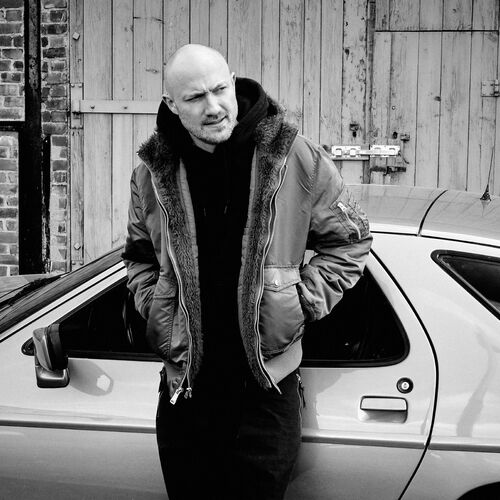 Paul Kalkbrenner
-
 Max Cooper
-
 Boris Brejcha
-
 Lawrence
-
 Argy
-
 Adam Port
-
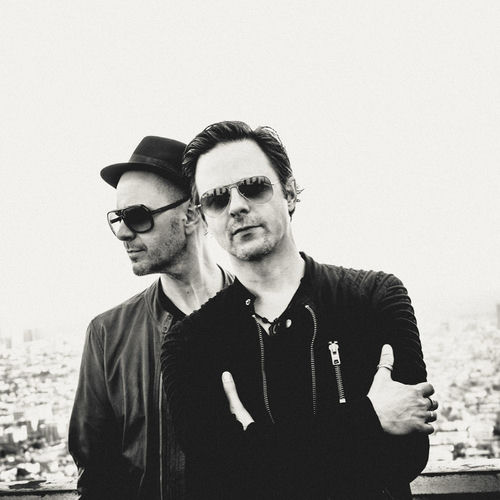 Booka Shade
-
 Klangkarussell
-
 Kiasmos
-
 DJ Koze
-
 Âme
-
 Nu
-
 Nicolas Jaar
-
 The Field
-
 Ada
-
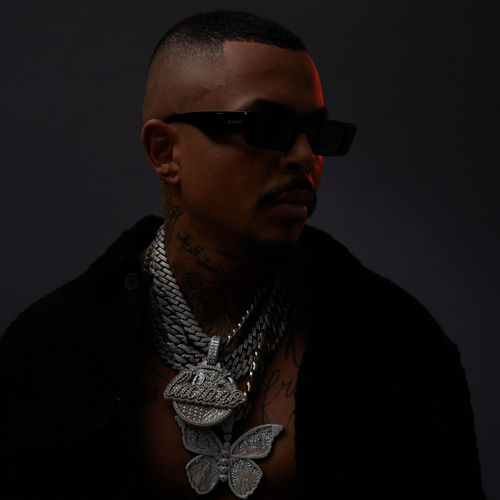 Luciano
-
 Oliver Koletzki
-
 Gas
-
 Worakls
-
 Alle Farben
-
 Kollektiv Turmstrasse
-
 NTO
-
 Darkside
-
 Rone
-
 Chihei Hatakeyama
-
 Solomun
- John Tejada
- Robin Schulz
- M.A.N.D.Y.
- Kiki
- Youandewan
- Ellen Allien
People also ask about Minimal
Who are the best minimal artists?
Among the most listened-to minimal artists are Guti, Trentemøller, Nathan Fake, and Anna.
What is Minimal?
Minimal is short for minimal techno but also for Minimalist music. This genre can be considered originally American and consists of experimental or Downtown music named in the 1960s based mostly in consonant harmony, steady pulse (if not immobile drones), stas
What bands should I start with in Minimal?
Good entry points into minimal are Guti, Trentemøller, Nathan Fake — widely listened-to and representative of the genre's range.
How popular is Minimal?
Minimal reaches roughly 37,490 listeners in the Last.fm network, making it a niche genre.
Where can I find more minimal artists?
Beyond the top artists listed here, related scenes share listeners and sonic traits with Minimal and are worth exploring for deeper cuts.