Jazz
Top artists, related genres, and listener stats.
Affiliate link — we earn a small commission at no cost to you.
Jazz is a musical art form that took shape around the start of the 20th century in Black communities of the Southern United States, emerging from the meeting of African and European music traditions. Its West African lineage shows in blue notes, call-and-response, improvisation, polyrhythms, syncopation, and the swung note associated with ragtime. The sound is built on flexible instrumentation, with horns, piano, bass, drums, and voice trading roles, and its mood shifts easily between exuberance, melancholy, and introspection. Among the top artists in this genre, Miles Davis and Chet Baker exemplify the improvisational core, each shaping the music through phrasing and restraint. Frank Sinatra and Amy Winehouse show how jazz absorbs American popular song, carrying its rhythmic swing and emotional directness into vocal performance. Steve Lacy, Laufey, Sade, and Leon Thomas extend that lineage in different directions, and listeners drawn to bands like these often find the same blend of improvisation and popular melody. Jazz connects to neighboring scenes through shared history and overlap. It has long incorporated music from 19th and 20th century American popular music, which rests on European traditions, tying it closely to pop and soul. Soul shares jazz's call-and-response roots and vocal intensity, while pop borrows its harmonic language and swung rhythms. From its early development to the present, jazz has remained a form that absorbs surrounding music while keeping its improvisational center.
About Jazz
Jazz emerged around the start of the twentieth century in Black communities of the southern United States, shaped by the meeting of African and European musical traditions. Its West African roots are audible in blue notes, call-and-response patterns, improvisation, polyrhythms, syncopation, and the swung note associated with ragtime. The form has continually absorbed elements of nineteenth- and twentieth-century American popular music, which itself rests on European foundations, so the genre has remained open to outside influences throughout its history. Artists such as Steve Lacy, Frank Sinatra, and Amy Winehouse illustrate the range of voices and approaches associated with the music. Adjacent scenes include soul and R&B.
Top Jazz artists
The most-listened-to artists tagged jazz, ranked by listeners.
-
 Steve Lacy
-
 Frank Sinatra
-
 Laufey
-
 Sade
-
 Amy Winehouse
-
 Miles Davis
-
 Chet Baker
-
 Leon Thomas
-
 John Coltrane
-
 Nina Simone
-
 Michael Bublé
-
 Stan Getz
-
 Nat King Cole
-
 Ella Fitzgerald
-
 Louis Armstrong
-
 Billie Holiday
-
 BADBADNOTGOOD
-
 Ezra Collective
-
 Dean Martin
-
 Norah Jones
-
 Justin Hurwitz
-
 Grover Washington, Jr.
-
 Paul Anka
-
 Herbie Hancock
-
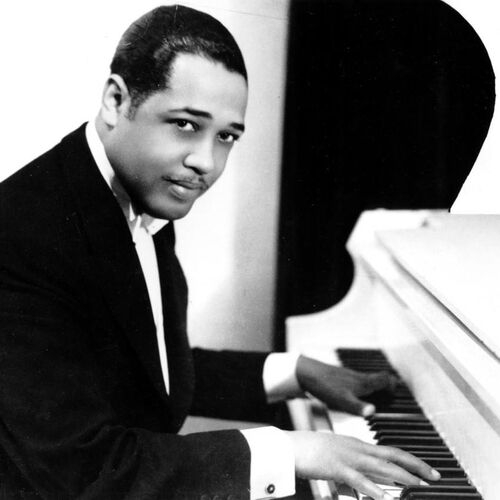 Duke Ellington
-
 The Dave Brubeck Quartet
-
 Bill Evans
-
 Bill Evans Trio
-
 George Benson
-
 Ray Charles
- Vince Guaraldi
- The Ink Spots
- The Seatbelts
- Charles Mingus
- Cortex
- Arthur Verocai
People also ask about Jazz
Who are the best jazz artists?
Among the most listened-to jazz artists are Steve Lacy, Frank Sinatra, Laufey, and Sade.
What is Jazz?
Jazz is a musical art form which originated around the beginning of the 20th century in Black communities in the Southern United States from a confluence of African and European music traditions. The style's West African pedigree is evident in its use of blue
What bands should I start with in Jazz?
Good entry points into jazz are Steve Lacy, Frank Sinatra, Laufey — widely listened-to and representative of the genre's range.
How popular is Jazz?
Jazz reaches roughly 150,202 listeners in the Last.fm network, making it a moderately tracked genre.
Where can I find more jazz artists?
Beyond the top artists listed here, related scenes share listeners and sonic traits with Jazz and are worth exploring for deeper cuts.