Funk
Top artists, related genres, and listener stats.
Affiliate link — we earn a small commission at no cost to you.
Funk is an American genre that took shape in the late 1960s, when African American musicians fused soul, soul jazz, and R&B into a rhythmic, danceable form. Its sound is built from the ground up: electric bass and drums carry the foreground, while melody and harmony recede. Songs often ride an extended vamp on a single chord rather than moving through the chord progressions typical of R&B and soul. The result is music organized around groove, syncopation, and repetition, with horns and rhythm guitar punctuating the pulse. Prince stands as a representative figure, bringing the genre's rhythmic drive and danceable bent into a singular body of work. Earth, Wind & Fire embody its horn-heavy, groove-centered arrangements, while Stevie Wonder connects funk's rhythmic foundation to a broader soul and R&B vocabulary. Jamiroquai extend the tradition with a later, equally danceable approach. Together, artists in funk and bands like these demonstrate how a single rhythmic idea can sustain an entire song. Funk's relationship to neighboring styles is close and ongoing. It grew directly out of soul and R&B, sharing their performers and audiences while pushing rhythm to the center, and it overlaps with soul jazz, whose improvisational and horn-driven sensibility fed the genre's early development. Within the broader history of African-inspired popular music, funk marks a point where the groove itself, rather than melody or harmonic movement, becomes the organizing principle of a song.
About Funk
Funk is an American genre that took shape in the late 1960s, when African American musicians fused soul, soul jazz, and R&B into a rhythmic, dance-oriented style. Its arrangements place electric bass and drums at the front of the mix, with melody and harmony given less weight than the groove. Many funk tracks are built on an extended vamp over a single chord, which sets the music apart from the chord-progression-driven structures typical of R&B and soul. The style shares rhythmic and structural traits with other music of African origin. Artists such as Earth, Wind & Fire, Stevie Wonder, and Prince illustrate the genre's range, from large-ensemble arrangements to leaner, groove-centered productions. Funk's influence extends into adjacent scenes including soul and R&B.
Top Funk artists
The most-listened-to artists tagged funk, ranked by listeners.
-
 Prince
-
 Jamiroquai
-
 Earth, Wind & Fire
-
 Stevie Wonder
-
 OutKast
-
 Rick James
-
 Thundercat
-
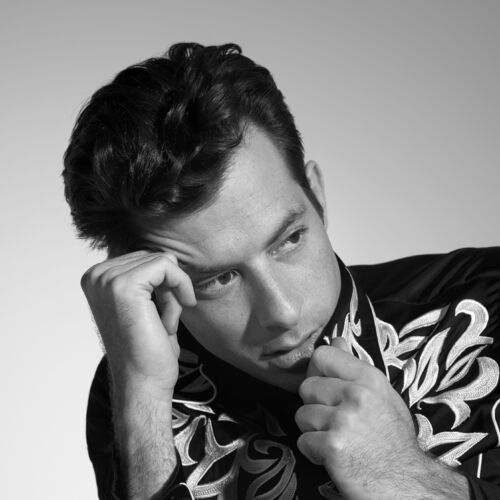 Mark Ronson
-
 Labi Siffre
-
 Marvin Gaye
-
 Kool & the Gang
-
 Khruangbin
-
 Lenny Kravitz
-
 Philip Bailey
-
 MC Livinho
-
 LUDMILLA
-
 That Handsome Devil
-
 The Gap Band
-
 Funkadelic
-
 James Brown
-
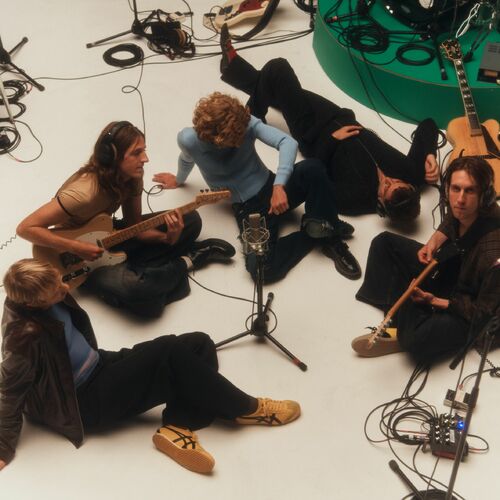 The Parcels
-
 War
-
 Luísa Sonza
-
 Chaka Khan
-
 Genesis Owusu
-
 Bill Withers
-
 Gnarls Barkley
-
 Anitta
-
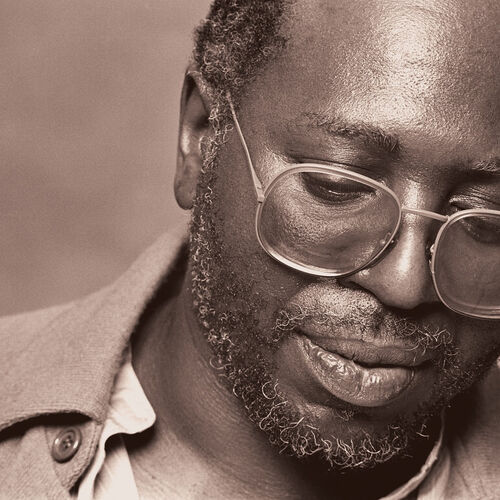 Curtis Mayfield
-
 Sly & The Family Stone
- Vulfpeck
- KC and The Sunshine Band
- Chic
- Al Green
- Patrice Rushen
- The Isley Brothers
People also ask about Funk
Who are the best funk artists?
Among the most listened-to funk artists are Prince, Jamiroquai, Earth, Wind & Fire, and Stevie Wonder.
What is Funk?
Funk is an American music genre that originated in the late 1960s when African American musicians blended soul music, soul jazz and R&B into a rhythmic, danceable new form of music. Funk de-emphasizes melody and harmony and brings a strong rhythmic groove of e
What bands should I start with in Funk?
Good entry points into funk are Prince, Jamiroquai, Earth, Wind & Fire — widely listened-to and representative of the genre's range.
How popular is Funk?
Funk reaches roughly 84,269 listeners in the Last.fm network, making it a niche genre.
Where can I find more funk artists?
Beyond the top artists listed here, related scenes share listeners and sonic traits with Funk and are worth exploring for deeper cuts.